Bear Market Investing using ETFs
Post on: 16 Март, 2015 No Comment

What is a bear market?
Bear markets are tricky events to pin down. A bear market is one of two market trends often identified by market technicians, the other being the bull market. One is weighed down by an overwhelming pessimism while the other seems to suffer unbridled optimism. It is generally agreed upon that a bear market has entrenched itself after a 20 percent drop in the value of the market and has remained at those levels for at least two months.
Because the recovery from a long period of bearish sentiment can seem to be bullish, where prices in the market rise steadily in the aftermath of a slump, it is often not so clear cut.
Can you tell in advance that bear market is about to occur?
The average investor is often unaware that a bear market has begun until the event has already done significant damage to their portfolios. But there are several warning signs it may happen. The easiest signs can be observed in the way other investors participate. In a bullish market, prices rise indiscriminately and across a wide swath of investment options. This might be considered the first warning sign. A market that is unable to focus or moves sideways, with highs and lows occurring across a lengthy amount of time might be considered on the verge of bearishness. Trading volumes increase as well as investors throw money at literally everything available. Keep in mind that you will also feel pretty good about your portfolio. Those returns will feed your own optimism and suggest that this could on forever.
Can you tell when a bear market has begun?
Most investors make the mistake that sharp corrections in pricing that occur at the beginning of a bear market as only temporary. Often reported as ‘having removed the froth’ from the market, this is the first sign. This is because the next phase of a bear market actually appears to be a recovery. It may be but only for some securities and with a lower overall number of traders participating. The next phase is that slow loss of value in the market as a whole, with prices pushing downward accompanied by low trading volumes. A bear market is simply more sellers than buyers.
How long does the average bear market last?
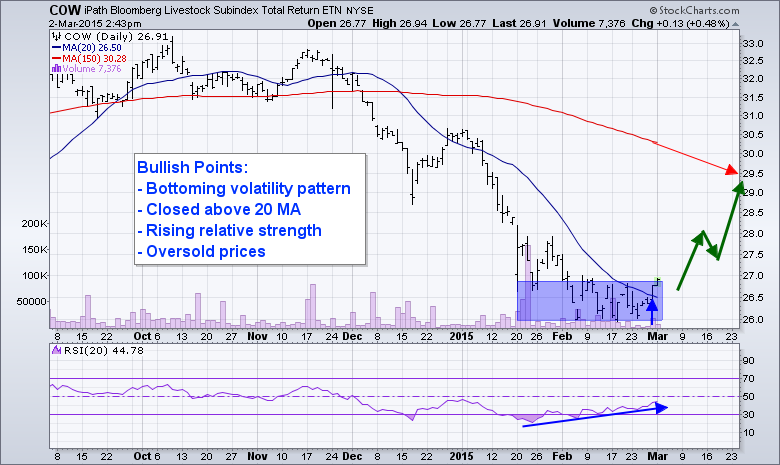
Depending on the reason the bear market occurred, it can last an average of sixteen months. While 20 percent is the threshold for identifying that a bear market has occurred, the average losses in market value from the bull market peak is closer to 40 percent. Of course the granddaddy of all bear markets occurred in 1929 where the losses came close to 90 percent.
What should an investor do in a bear market?
The mutual fund portfolio owner may be the slowest to react to a bear market event. But if they are well diversified using a handful of index funds invested across a variety of markets, they may not need to do anything but wait it out. If they own actively managed funds, they may find the downward push of the markets will impact these investments more. But one type of investment may be perfectly suited to withstand a bear market: the ETF.
Why are ETFs a good choice in a bear market?